
Here are some of the dangers of water intoxication:
1. Cerebral edema: When too much water enters the cells of your brain, they swell and cause increased pressure inside the skull. This can lead to serious neurological damage, including seizures and coma.
2. Hyponatremia: Water intoxication can cause hyponatremia, which is a condition where the sodium levels in your blood become too low. This can lead to a variety of symptoms, including nausea, vomiting, confusion, and seizures.
3. Cardiovascular problems: Water intoxication can also cause cardiovascular problems, such as heart arrhythmias and heart failure. This is because the low sodium levels can interfere with the electrical signals that control the heart's rhythm.
4. Muscle weakness: Water intoxication can also cause muscle weakness and fatigue. This is because the low sodium levels can interfere with the function of your muscles and nerves.
5. Death: In severe cases, water intoxication can be fatal. This is because the swelling in the brain can cause the person to stop breathing.
How to avoid water intoxication:
- Drink water gradually throughout the day.
- Avoid drinking large amounts of water too quickly.
- Drink sports drinks or other electrolyte-containing beverages if you're exercising or sweating heavily.
- If you're feeling thirsty, drink a glass of water, but don't chug the entire glass at once.
- Be aware of the symptoms of water intoxication and call 911 immediately if you think you may be experiencing them.
Master Basketball Shooting: 3 Key Techniques for Improved Accuracy

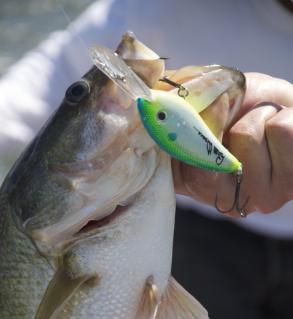
Lost a 9.2lb Bass: A Fishing Tale from Lake El Salto
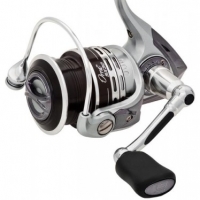
Abu Garcia Orra SX Saltwater Spinning Reel: Corrosion-Resistant Performance

Copyright © www.mycheapnfljerseys.com Outdoor sports All Rights Reserved